Shanghai, From Niblings to Noodles
My last weekend in Paris was a delightful exercise in family-induced chaos. Having all four niblings and their parents take over the house was genuinely wonderful, though I must confess the profound silence after two days of screeching and general kid-related fanfare was its own kind of bliss. Amidst the whirlwind, I somehow managed to pack, say my goodbyes, and head to the airport. I’m always surprised by how utterly exhausting children are. Don't get me wrong, I cherish every second with them, but it’s uncanny how often you find yourself in a room where the kids are practically bouncing off the walls while every adult looks like they've run a 10k (and congrats to Clémence who actually did this weekend!).
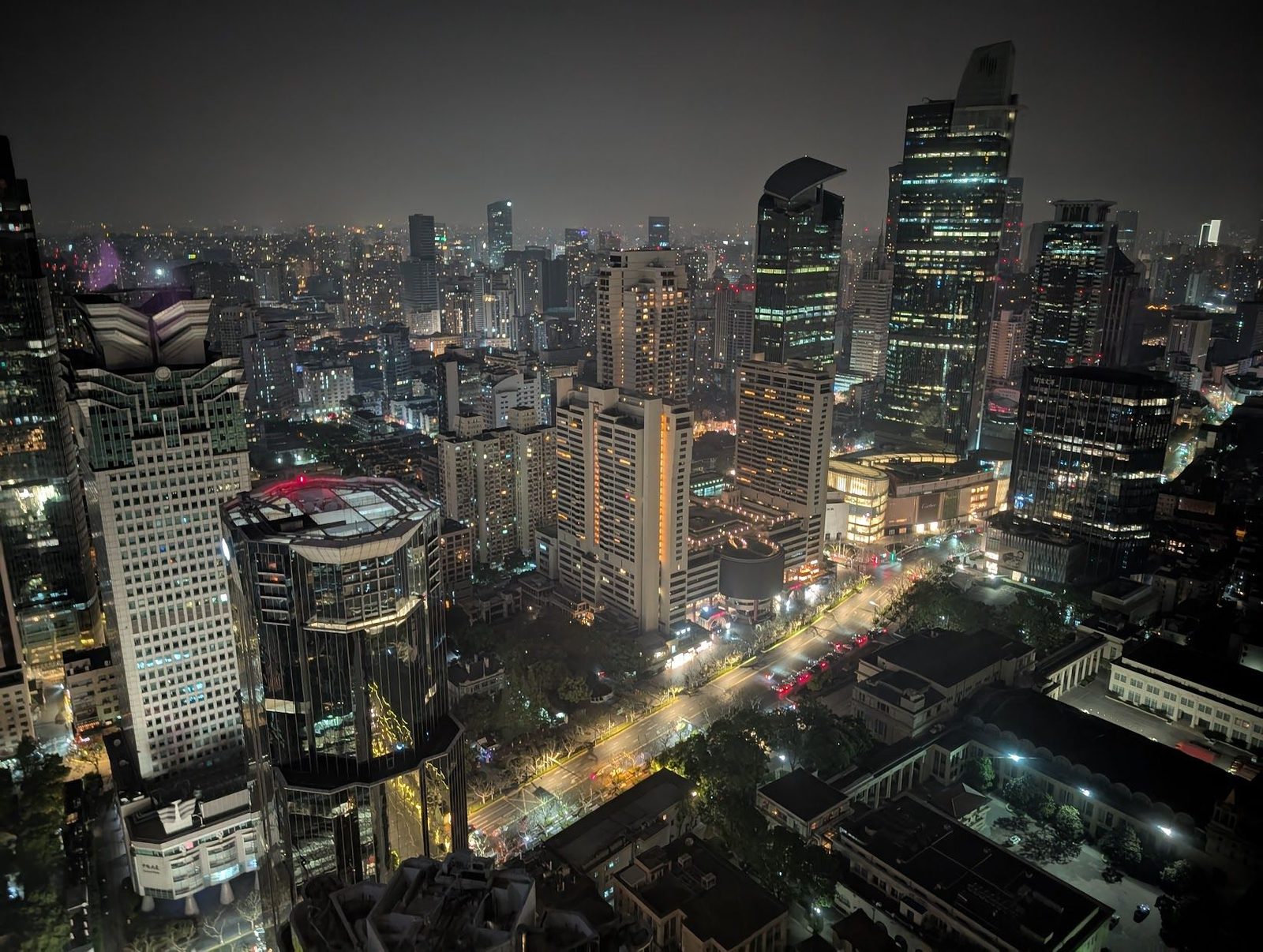
Fast forward through a long flight, and I found myself arriving in Shanghai. After navigating the Metro (you’ll notice a theme here) to my hotel and attempting to sleep off the jet lag (mostly successfully), I immediately slipped into my favorite solo travel mode: go wherever I want, whenever I want. Shanghai really is a special place; I think its hard to fully comprehend the sheer size and expansiveness of the city. It’s China’s second biggest population center (it has more people than every US state except for Texas and California). It’s the country’s economic capital, and you can definitely feel its pulse as a global hub and international city.
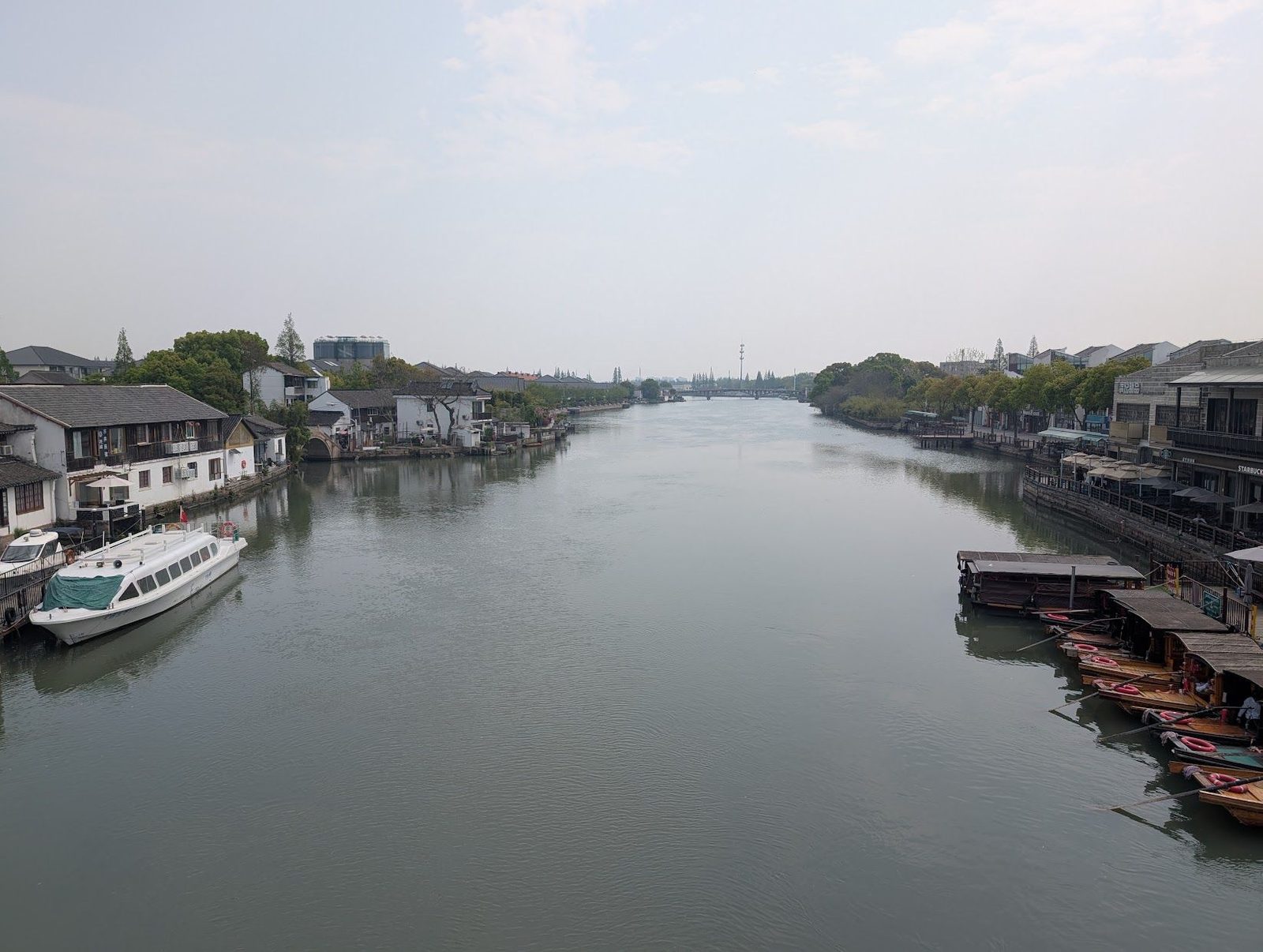
On my first proper day, I took the Metro out to ZhuJiaJiao, a quaint old water town on the outskirts. Picture winding alleys packed with merchants selling everything imaginable from food to live pets, graceful bridges arching over canals, and a vibe that genuinely feels like stepping back in time. It manages to display that blend of old Chinese culture while still being home to actual residents who use the (admittedly murky) waterways to run errands, wash clothes, or even fish. A cool slice of history amidst the modern sprawl.

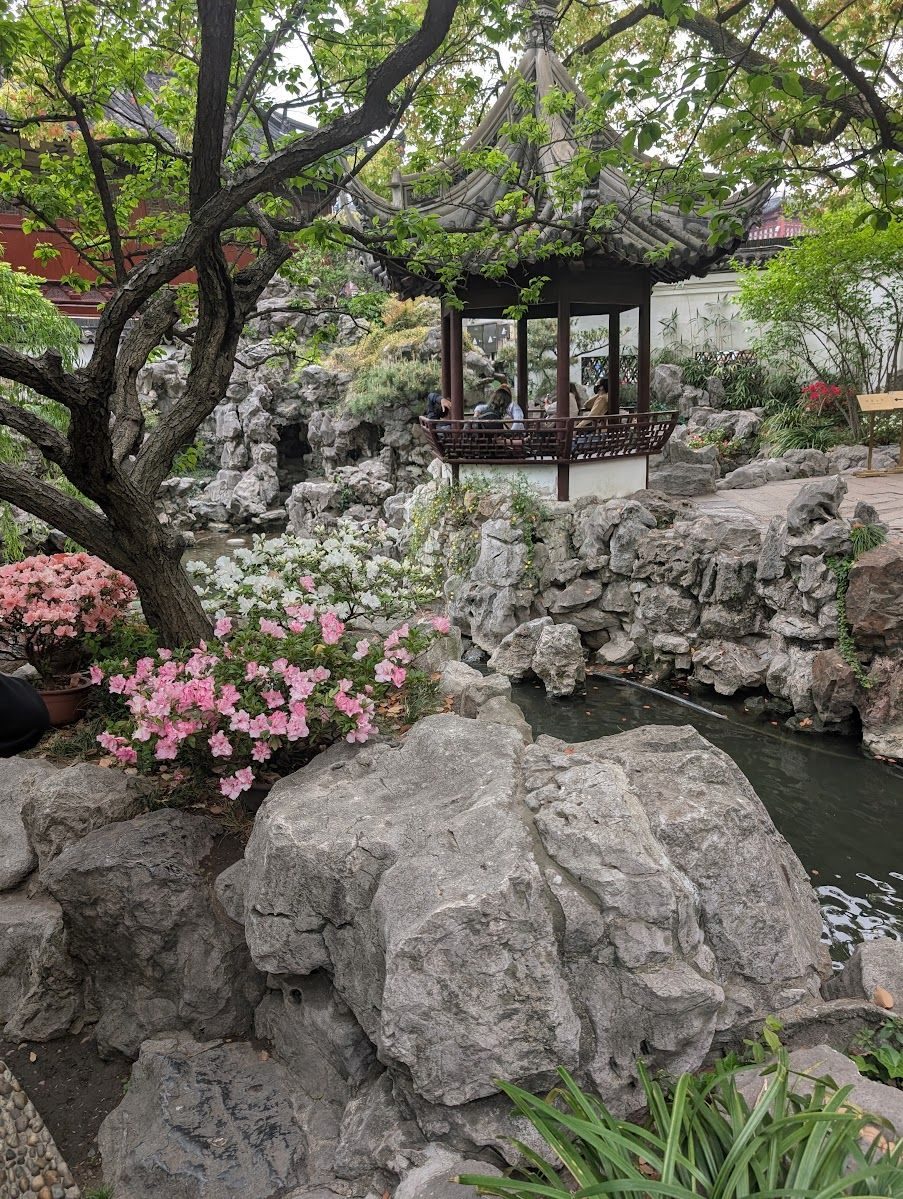
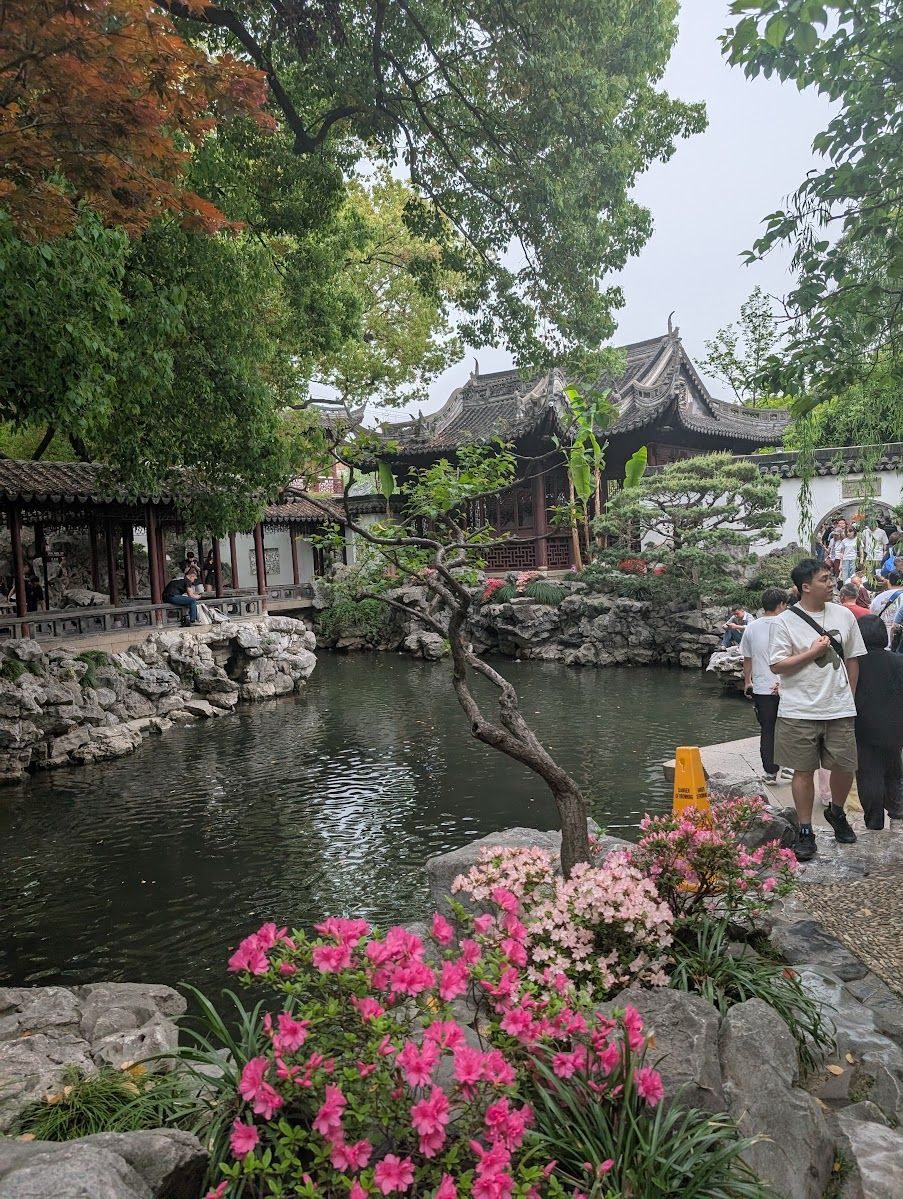
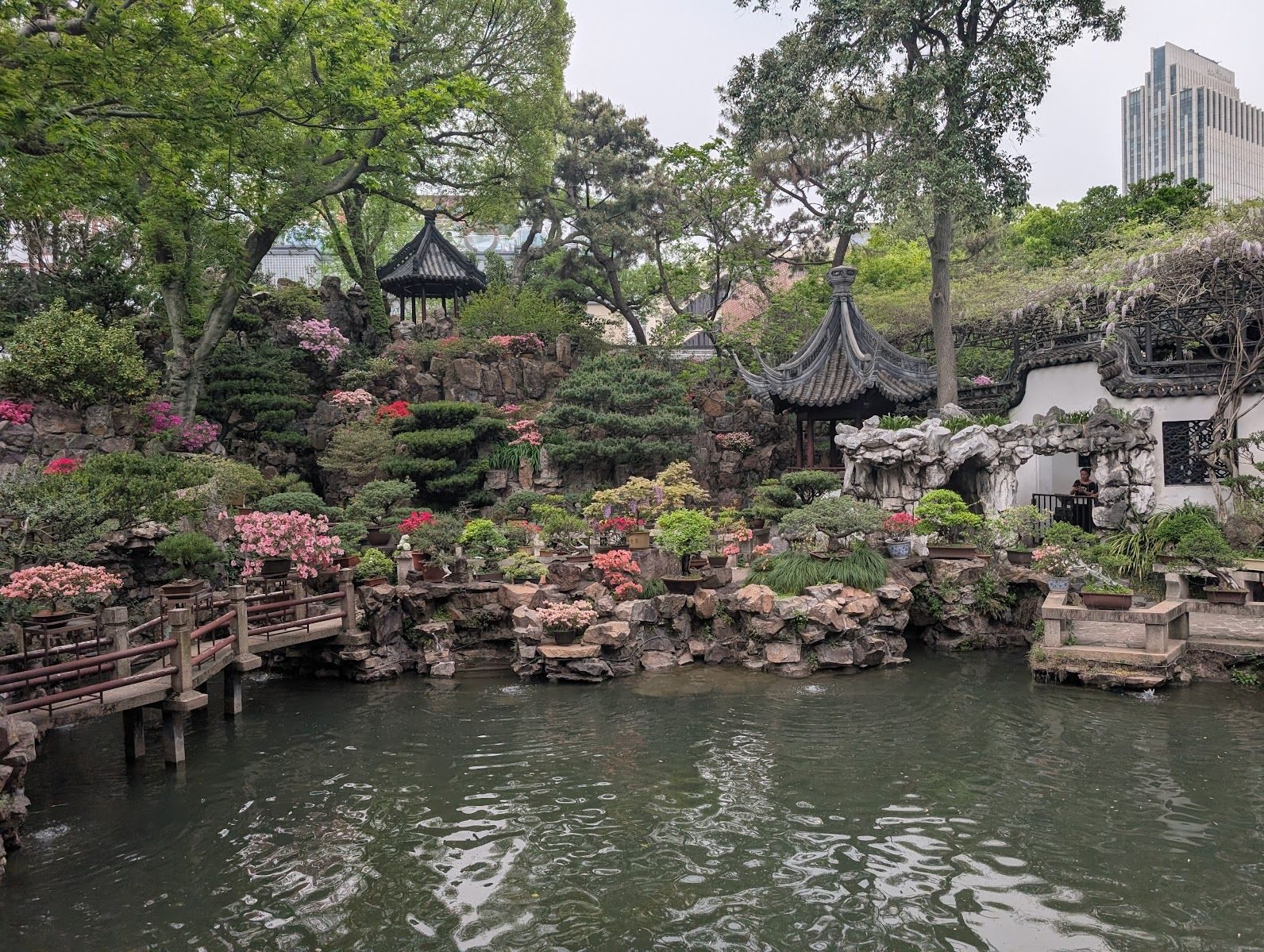
The following day, after a spectacular failure to wake up before noon, I aimed for Yu Gardens. Hopped the Metro (see?) to Yuyuan station, then navigated the surrounding market square trying to sniff out authentic XiaoLongBao and whatever else looked tempting. The gardens themselves were gorgeous, filled with cute waterways, tiny ponds brimming with local fauna and flora, and classic, 15th century inspired architecture. From what I could glean by shamelessly eavesdropping on tour groups, I gathered that the gardens and the adjacent City God Temple were once a major power center for Shanghai's elite – a place for politicians to politick and scholars to... scholar?
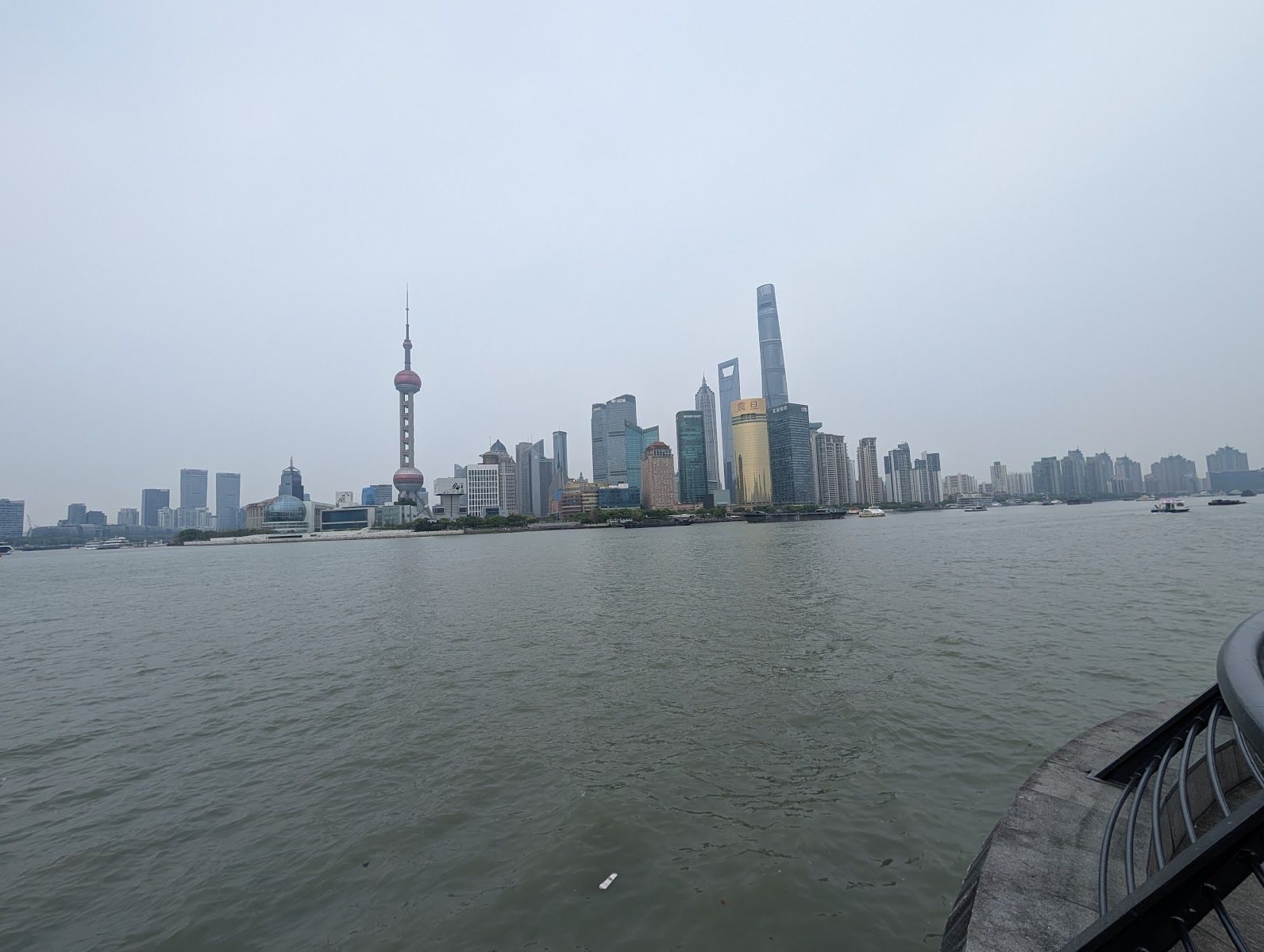
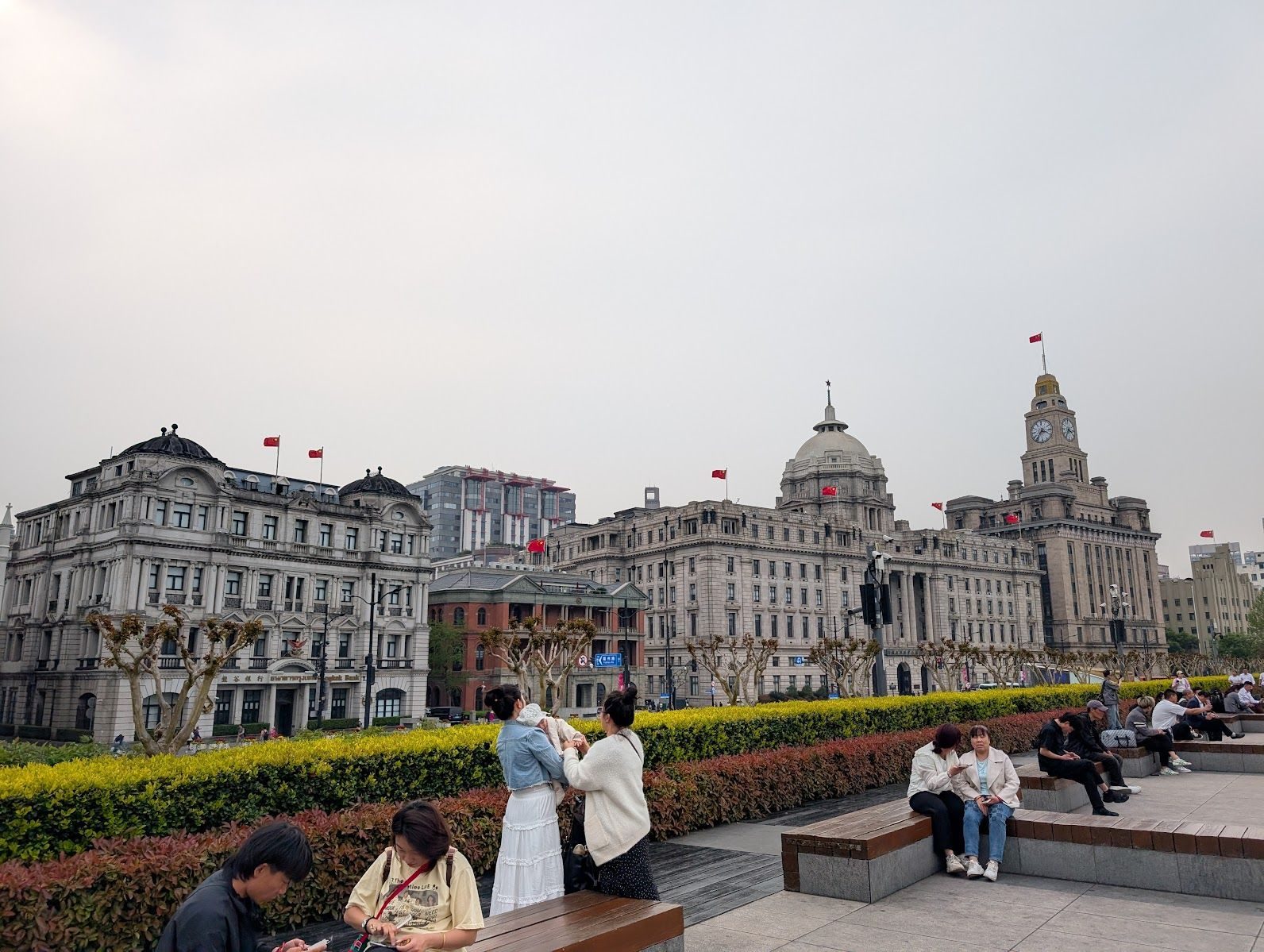
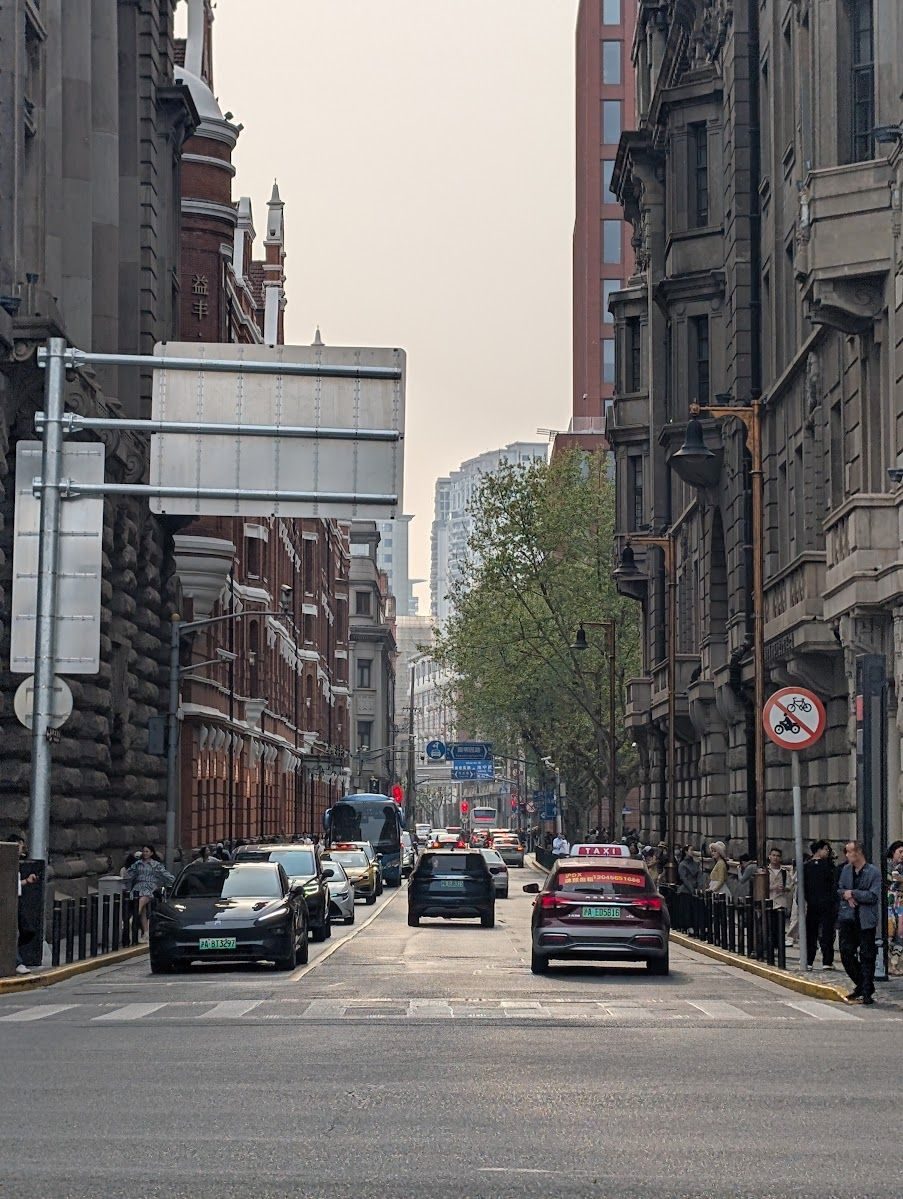
From there, I headed to one of Shanghai’s most iconic (and tourist-heavy) spots: The Bund and East Nanjing Road. Honestly? It surpassed expectations. Yes, East Nanjing Road is hyper-consumerist ("buy! buy! buy!"), but the Bund itself is stunning. Seeing that iconic skyline unfurl across the river is a potent visual shorthand for China's transformation over the last few decades. The contrast between the futuristic skyscrapers and the stately, European-style colonial buildings lining the Bund is really something. I eventually slinked back towards the Metro via East Nanjing Road – think Champs-Élysées, but with fewer luxury brands and more unique finds (including a dedicated White Rabbit candy store selling themed sweets and apparel). My reward for navigating the crowds? Stumbling into the tiniest dumpling shop imaginable, where I had mind-blowing food for about $6 USD. Can’t complain.
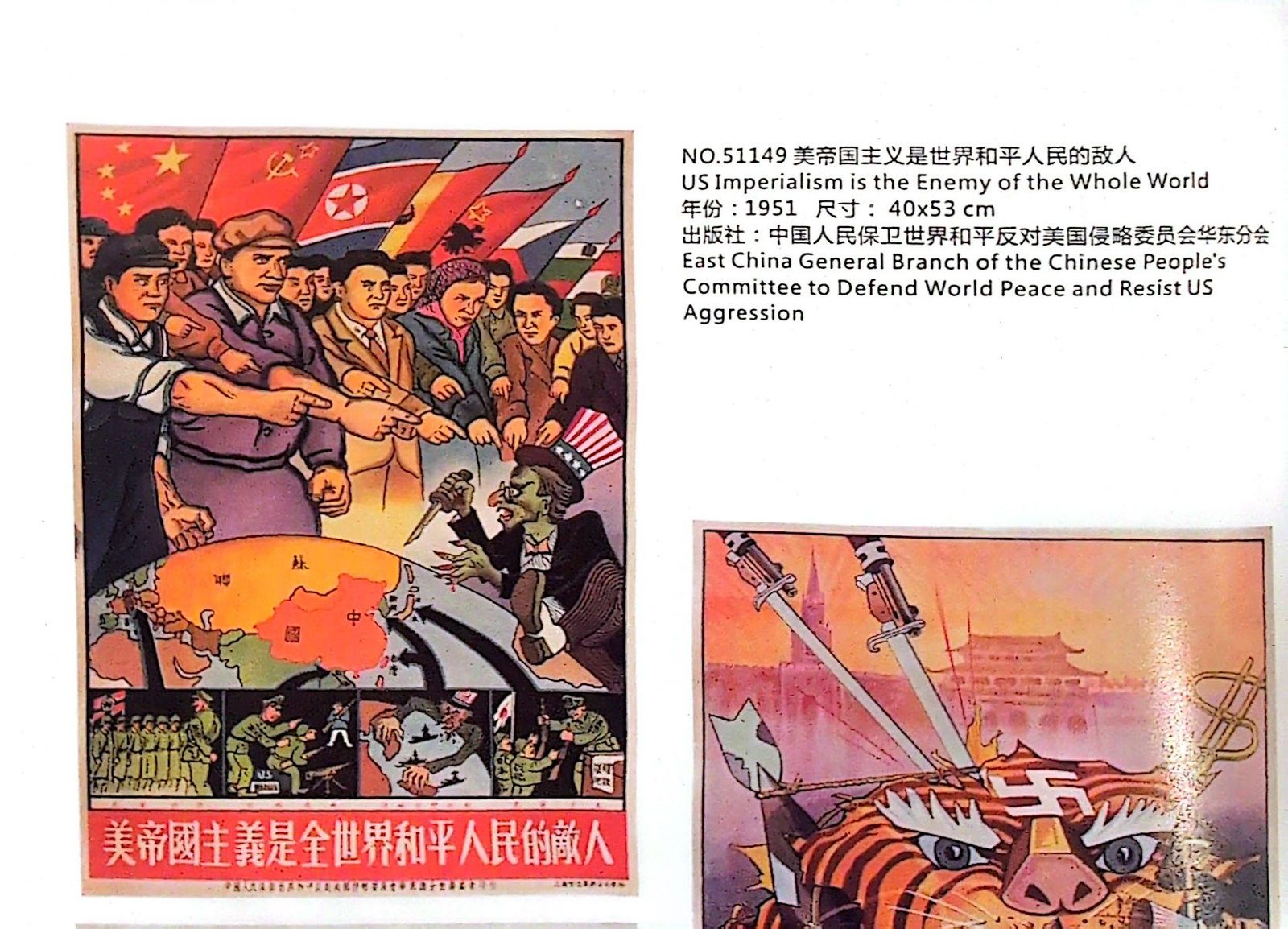
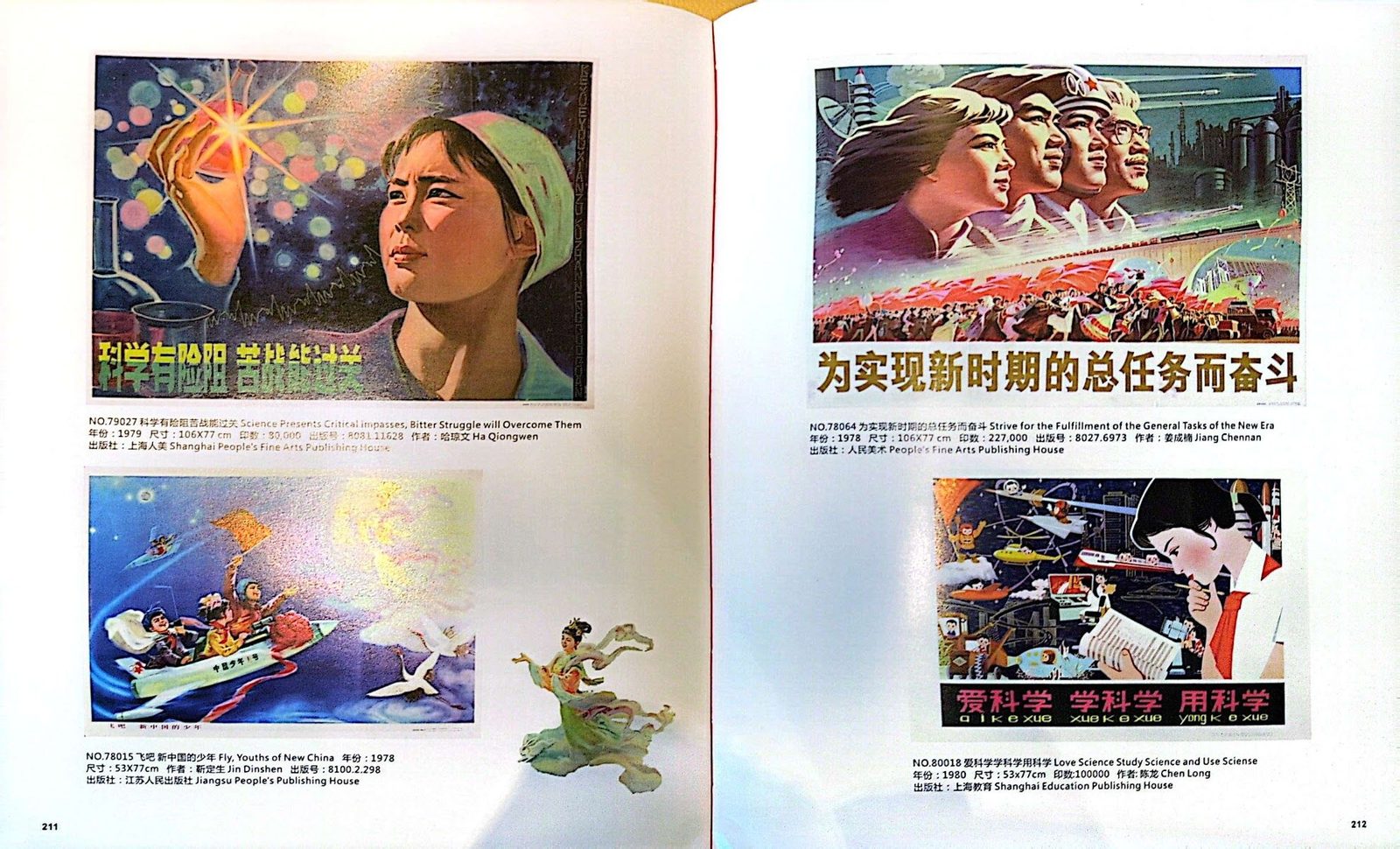
Today was museum day. I started at the Shanghai Propaganda Poster Art Centre, a fascinating dive into China's visual messaging from the early 1900s through the mid-80s. It provided incredible snapshots of the political climate before, during, and after Mao – featuring some real bangers about American Imperialism, earnest calls for citizens to raise more pigs for fertilizer, and glorious depictions of the envisioned socialist utopia.
From there, I headed to Peoples Square and the Shanghai Natural History Museum, situated in a lovely park. It offered a deep dive into the region's history – the ancient Yangtze River culture (pioneers in pot glazing), Shanghai's tumultuous relationship with the West during the Opium Wars, and its path to independence and reconstruction after WWII.
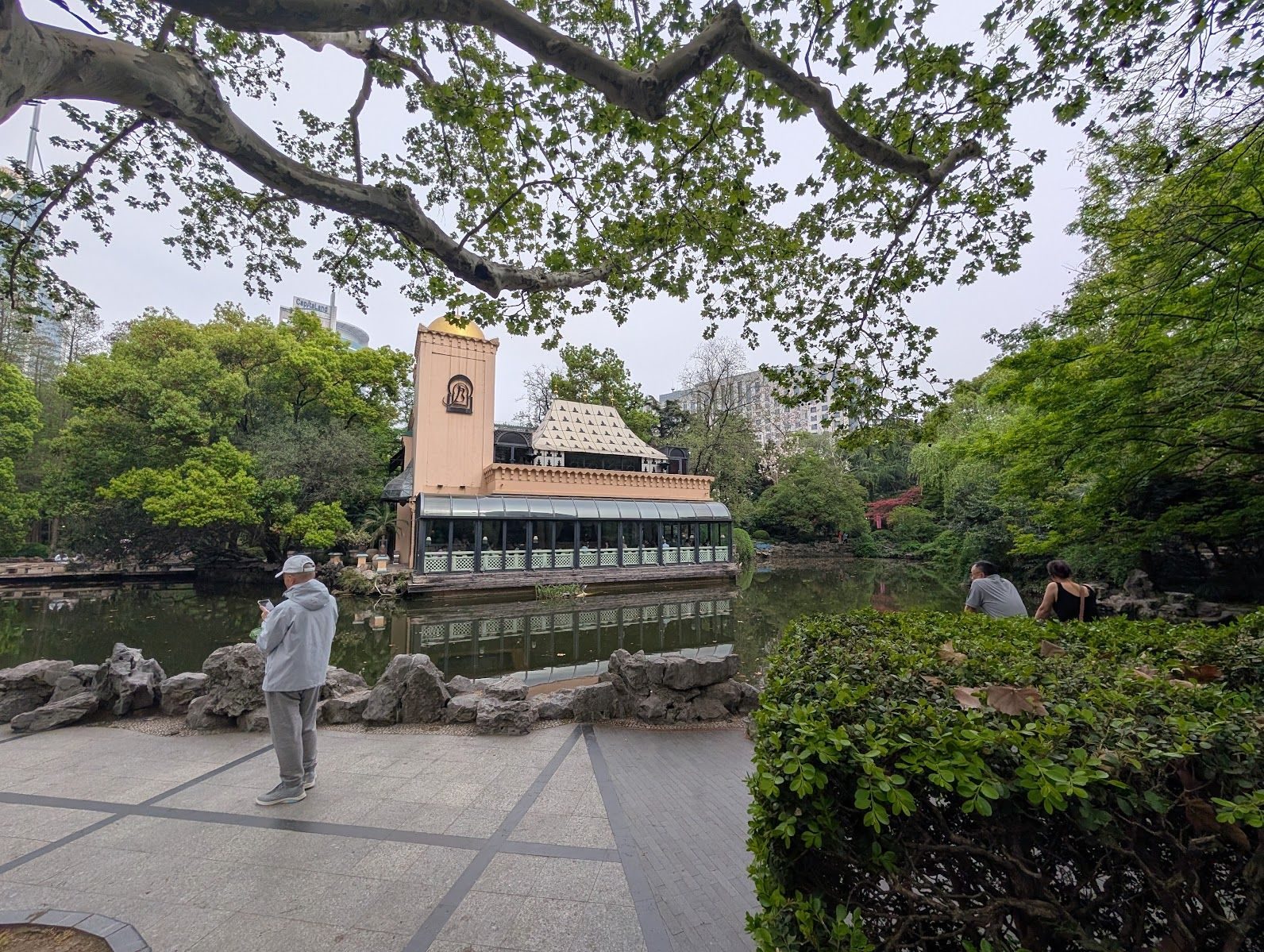
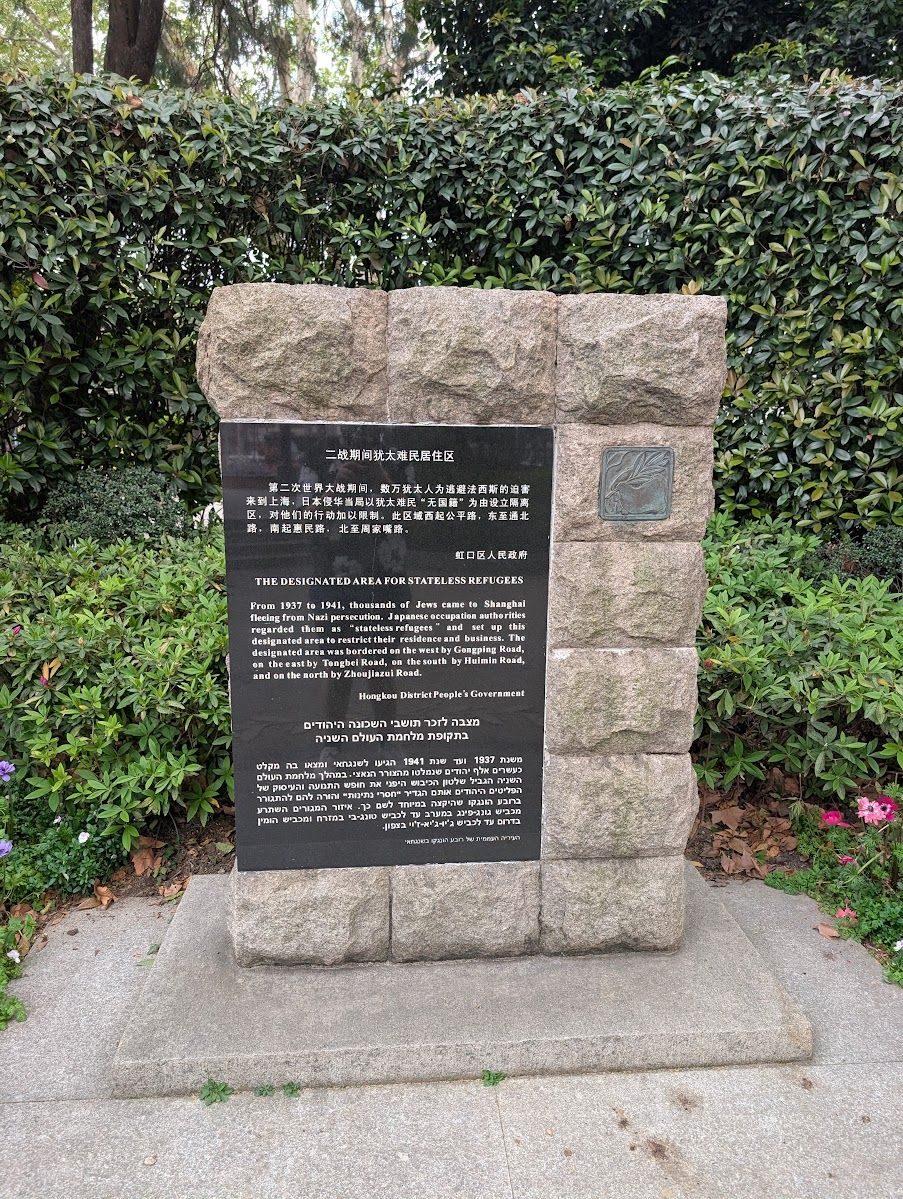
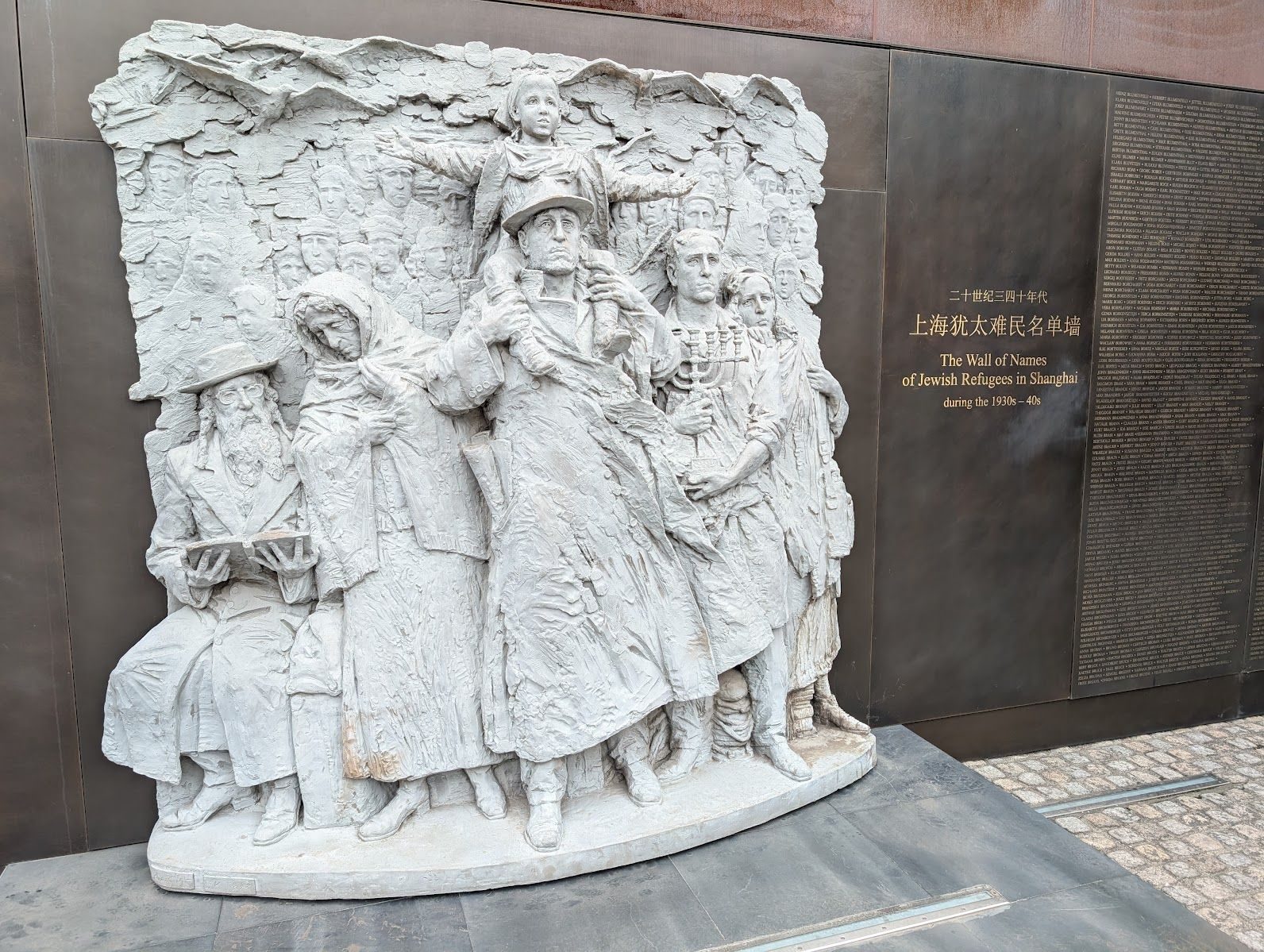
I ended the day somewhere truly poignant: the Shanghai Jewish Refugees Museum. It chronicles the lives of nearly 20,000 Jews who found sanctuary here between 1938 and 1947. Learning how they fought to maintain normalcy, build communities, and integrate into Chinese society was incredibly moving. The accounts of kindness from the local Chinese, who aided these families even while facing their own hardships (especially after the Japanese imposed ghetto restrictions post-1941), were deeply touching. It hit close to home, too – realizing that with a different roll of the dice, my own grandparents could have been among those seeking refuge here definitely gave me pause.
Musing: Public Transit
Okay, let's talk about public transit. The Metro here in Shanghai isn't just good; it's truly world-class, possibly the best I've ever used. And frankly, if you're going to move 10 million people daily across nearly 8,000 square kilometers, with metro lines covering 850+ kilometers of tunnels, it damn well better be. Here’s my neurodivergent-coded, completely arbitrary Scorecard for Transit & its Design (STD):
Pros:
- Size and Speed: This system is vast. 18 operational lines (many stretching over 50km), supplemented by 900+ bus routes and even Maglevs. And it is fast. Every single Metro trip I've taken has been quicker than the estimated time for a Didi (China's Uber), even with multiple line changes. The trains themselves are enormous – easily 200-300 meters long – and arrive every 3-5 minutes. +100pts
- Ease of Use: Minor quirks aside, using the Metro as a tourist has been incredibly easy. Paying fares directly with Alipay (no fiddling with tickets), clear bilingual (Chinese/English) signs everywhere, station announcements in multiple languages – it's a 老外's dream. +50pts
- Accessibility: Every station seems to have at least one escalator and elevator for entry/exit, making it genuinely manageable for the elderly or those with strollers, a common complaint with the older European systems I’ve used. Additionally, I haven’t taken a single trip that’s costed more than 8¥ (~1 USD), something I could only dream of in SF. +25pts
- Modernization Meets Utility: Like many global systems (ahem, Paris, still waiting on some things), Shanghai's Metro is modern. To pay for fairs, you can either have a transit card (for monthly / weekly memberships) or pay via a QR code on your phone via Alipay. But crucially, unlike some systems that leave older and digitally challenged folks behind, you can still buy physical, single-use tickets (QR code printouts) from machines. A thoughtful touch. Oh, and reliable high-speed LTE underground is a blessing. +40pts
- Expansion and Improvements: The metro in Shanghai is only 32 years old. Since I was last here 10 years ago, they've added four new lines and extended ten others. The sheer scale of ongoing work visible on its Wikipedia page alone is nuts, and the blazing speed at which they improve every aspect of their transit system made me truly jealous. +10pts
Cons:
- Transfers: Some transfers, especially involving newer lines, bizarrely require you to exit the station entirely and re-enter somewhere else. This definitely confused and lost me a couple of times (although after checking, they admittedly tell you this on the metro maps themselves, differentiating between ‘direct’ and ‘indirect’ transfers) . -20pts
- Crowds and Etiquette: Despite the massive trains, they get packed. Personal space is optional. And yes, you'll encounter the occasional person blasting TikTok videos, taking calls on speaker or coughing up the mother of all loogies. Etiquette isn't quite European standards. -10pts
- Security Theatre: Every single station entrance requires you to put your bag through an X-ray scanner. It definitely slows down entry and exit, presumably for anti-terrorism reasons. Annoying, but hey, if it makes things safer... -5pts
Total STD Score = 190pts (A+)
Honestly, I'm incredibly impressed. Given its expansion over the last two decades, countries worldwide (ahem, USA, looking at you) should be studying what makes this system so successful. While it might be harder for European cities with established, relied-upon systems to implement massive overhauls, countless cities in the US (basically everywhere but NYC and maybe DC) could learn volumes from Shanghai's approach to creating performant, accessible transit. This system should absolutely be a model.
Musing: The Vacation Walking Phenomenon
Here's something I've noticed: my daily step count in Shanghai hovers between 15,000 and 25,000. Back in SF, I average maybe 5-6k, often less on work-from-home days. Why the dramatic difference? We all know walking over 10k steps a day is one of the easiest ways to make sure your cardiovascular health is in check, so what unlocks this superhuman pedestrianism only when traveling?
- Walkability: Despite its stellar transit, Shanghai isn't peak walkable. You've got massive multi-lane roads, the bikes and mopeds blocking already cramped sidewalks, the delivery drivers zooming down sidewalks at 35+ km/h on their mopeds, and cars that treat traffic laws as suggestions. It's way better than most US cities, sure, but lacks the pedestrian-first feel of, say, Paris, Amsterdam or even London. So, the city itself isn't necessarily inviting endless strolls.
- The Power of Novelty: This feels key. At home, routes are familiar, maybe even boring (especially through some of SF's... dingier areas, let's be real). Abroad, every street is new. My head's constantly swiveling, taking in architecture, signs, smells (some better than others). Maybe it's the ADHD brain craving stimulus, but new environments make walking engaging rather than a chore.
- The Luxury of Time: Let's face it, walking takes time. On vacation, when the main agenda is "explore," spending an extra 30 minutes walking somewhere instead of hopping on transit or in an Uber feels like part of the experience. Squeezing that in after a 9-5 or on a packed weekend back home filled with other chores to do? Much less appealing.
- Lack of Routine: Not having an established routine to hold on to makes things different. At home, your movements are often dictated by established patterns (commuting, specific errands). In a new city, you're free from this structure, encouraging more fluid and extensive exploration on foot.
I say all this, yet for my friend Belle’s birthday last year, a group of friends decided to do the Crosstown Trail – a 17-mile walk through the city which attempts to stop at a bunch of historic and cool parts of SF – and it was an absolute blast. Proof that exploring your own city on foot can be great. Maybe the goal isn't 20k steps daily back home, but finding a better balance could be. Food for thought, anyway.
As always, thanks for reading and indulging my random thoughts, I’d love to hear what you thought, and I’ll be back with more soon!
— Lionel